

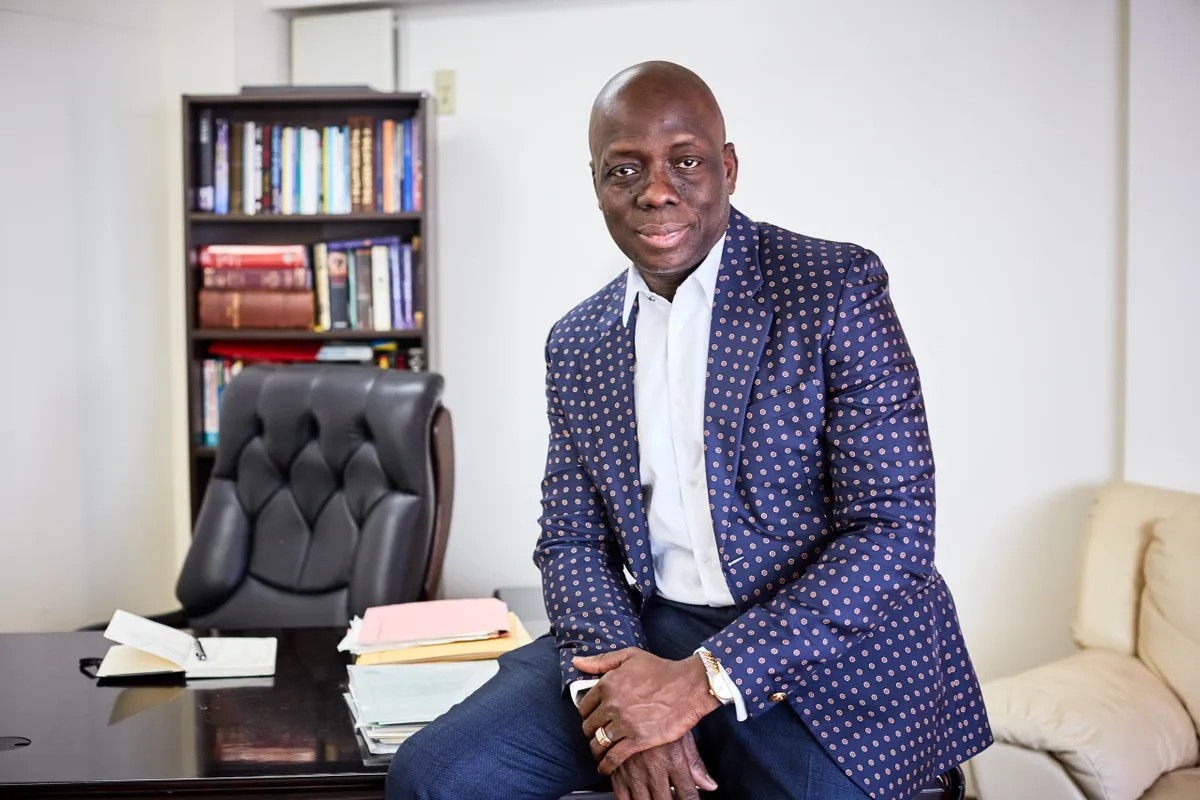
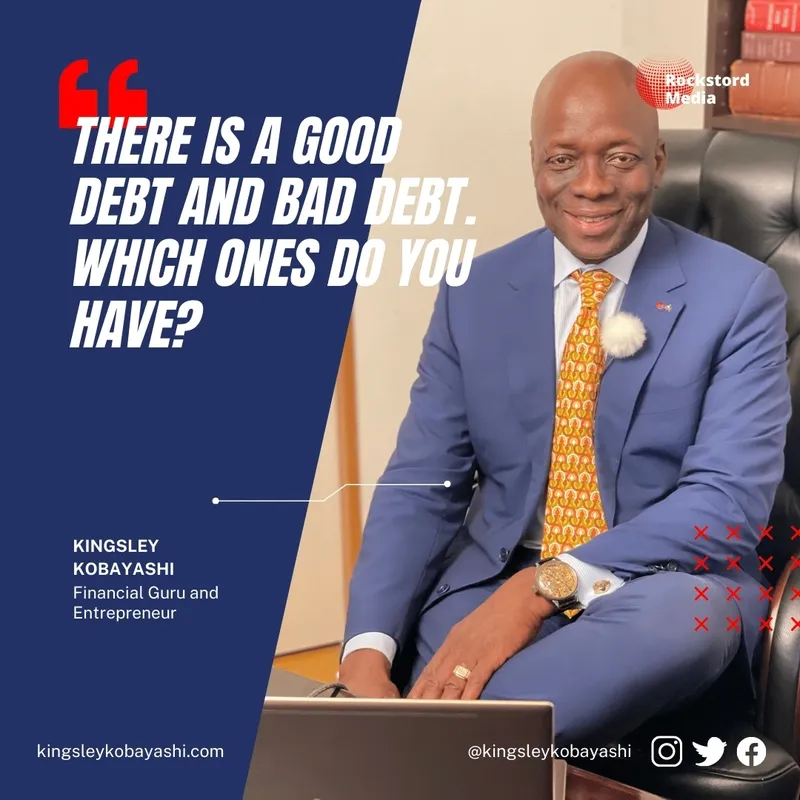

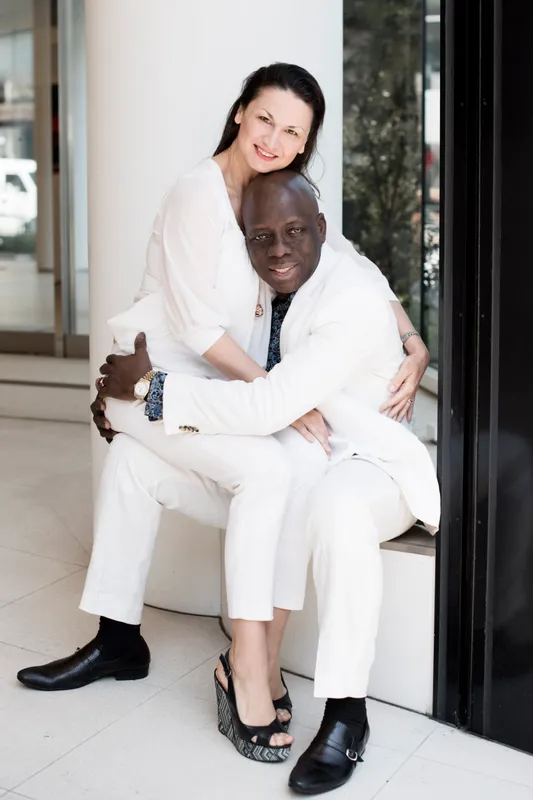
Kingsley Kobayashi, CEO Chairman Kobayashi Group
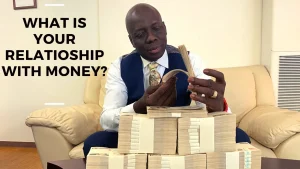
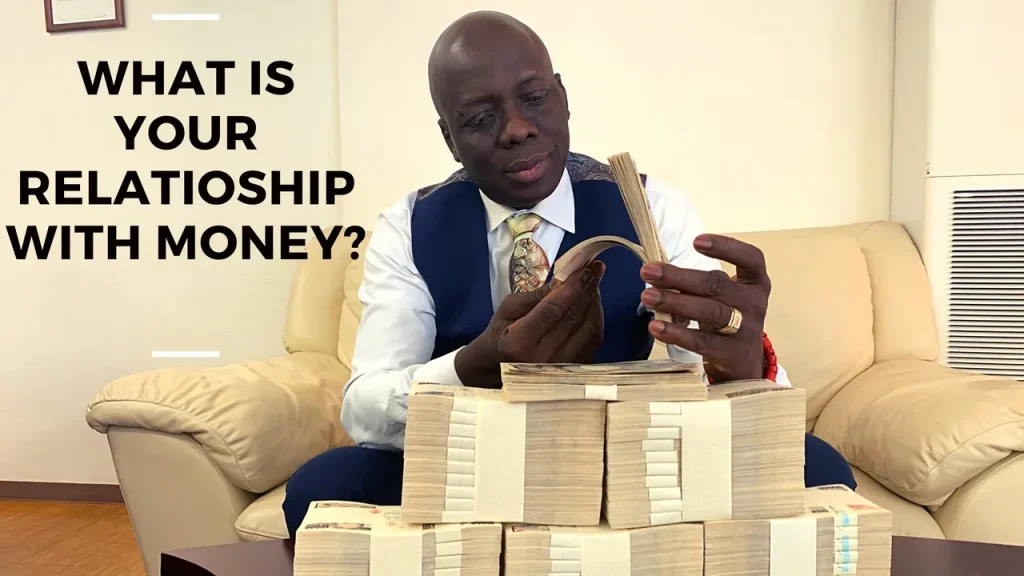
Having a healthy relationship with money is more important than we might think. After all, we want to feel financially secure and have a balanced relationship with money. A healthy relationship with money differs from person to person, as it is based on how much we have and how much we need. But how can we achieve this?
First of all, we have to assess our WANTS vs. our NEEDS. We have to track our spending for about a month and write down every penny that we spend. At the end of the month, we can separate the spending into two categories. Wants and Needs.
What qualifies as WANT? That’s quite simple. Anything that is not essential to your life and job, such as movie tickets, your morning stop at a coffee shop, eating out, buying new clothes and accessories, partying out every weekend, etc.
NEED is any expense related to your daily life, such as rent, transportation to work, grocery shopping, daily necessities, bills, taxes, etc.
Yes, we all want to go on a shopping spree now and then, but it should not become a habit and the few minutes of fun and pleasure should not bring more stress as we spend money that we need for other things. As the saying goes, “Do not save money that is left after spending; spend what is left after saving .” You should not need to make yourself feel better with unnecessary spending; find a true source of happiness in something meaningful.
So now, when you sorted out your spending into Wants and Needs, it is clear you need to find a way to make better choices when it comes to Wants. Be creative, find alternatives. For example, do you buy yourself coffee every day on the way to work? That 4 $ coffee comes to about 100 $ a month! Instead, get a nice takeout coffee mug and make coffee before you leave your house. You will save about 80$ on that single habit every month, accounting for almost 1000 $ a year! Do you like to read? Buying books is fun but can be very pricey. Better to find a public library in your area and rent books instead. You won’t be limited by the price and can read much more books too. You can find free activities to you with your friends, instead of going out drinking every weekend.
When already spending, spend on things that bring you happiness. You are less likely to feel buyer’s remorse if you pay for experiences instead of material things. What is that? Spend money on a craft workshop that you always wanted to try. Go for a hike or on a trip that will create lasting memories. In this sense, yes, money can buy happiness. Don’t forget to share these memories with others! Spending money on loved ones is another way to feel happy about spending!
Do you know what you definitely should not do? Do not compare your life, your clothes, or even your income with others. That will only create negative feelings unless you earn significantly more than your friends. You do not need to spend to impress anybody. You are building your life, your financial portfolio, and securing your future. Comparing yourself to others will harm your progress and your mindset. Focusing on your progress is crucial to achieving healthy relationships not only with money but with others and yourself.
To have a good relationship with money, you need to have clear goals. Not only that, you have to revise them from time to time. Your goals must exceed your earnings, so if you get a raise, make sure you adjust your goals, not your spending! There are many ways of keeping track of your goals; having a journal is one we like. Having a journal with written goals and progress you make along the road is a great way to keep yourself accountable. You can find many journals in the stores or online, or you can create one that suits your needs the best.
The urge to spend can quickly overtake us, so if you at the beginning of your financial journey, and don’t have total control of yourself, do not get a credit card. A credit card is the easiest way to get you in trouble and put a severe strain on your finances, bringing you unnecessary stress. Use cash only, and if you need to use a credit card, mark down every penny spent, so you know how big the bill will be next month. Remember, only the purchases that don’t bring stress to your life later are good.
To have a healthy relationship with money, you need a safety cushion—an airbag. In finances, you have to have an Emergency Fund. What is that? It’s a reserve that you have to create as soon as you start earning, that contains about six months of your expenses. That way, if you lose your job, you will not be left without any money to pay for your rent and unnecessary expenses.
Do you know what else will protect you from unemployment? Having few side hustles! Yes, having several income streams is crucial, and without it, it won’t be easy to achieve your goals and have a healthy relationship with money.
If you would like to learn more about financial independence, read our book The Beginner’s Guide To Financial Freedom, available on Amazon, either as paperback or Kindle